Brown spots, redness and sun damage respond well to IPL, and Malta’s winter is the season for it. How 4 to 5 sessions work and how to keep the result.
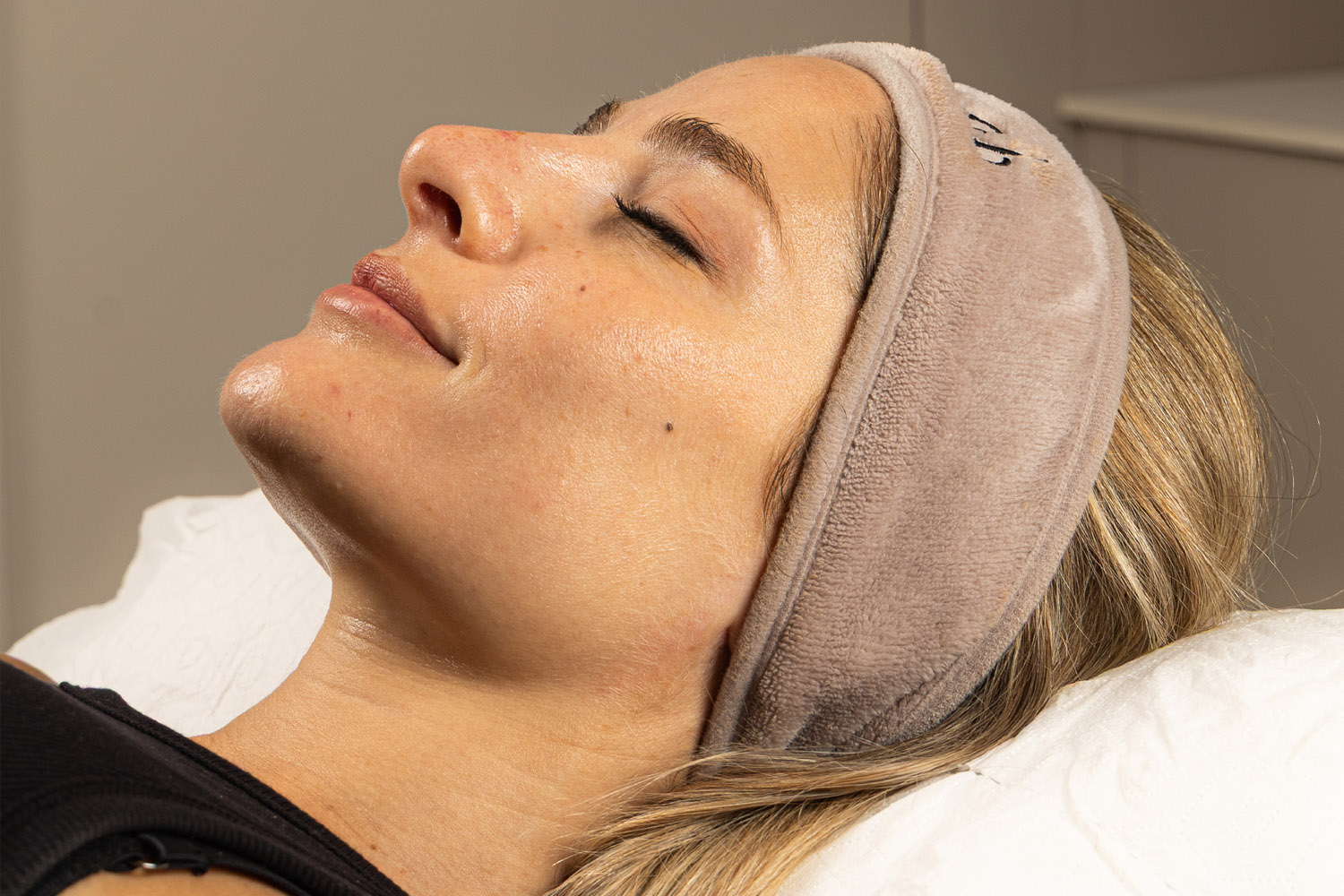
Living on an island with some of the most generous sunshine in Europe is wonderful for almost everything except your skin. Every summer spent between Golden Bay and a boat adds a little to the ledger: brown spots on the cheekbones, diffuse redness, uneven patches that foundation stopped hiding a few years ago. The tan fades by November. The pigmentation stays.
The good news is that most sun-related pigmentation responds well to light-based treatment, which is why IPL pigmentation treatment is one of the most requested appointments at SkinLab. The better news is that if you time it sensibly, the Maltese winter is the ideal season to do it.
What IPL actually does to a brown spot
IPL stands for Intense Pulsed Light. Unlike a laser, which fires a single wavelength, IPL delivers a broad spectrum of light in controlled pulses. Pigmented spots and visible vessels absorb that light energy more strongly than the surrounding skin. The absorbed energy breaks the excess melanin into fragments the body clears away, and it collapses the tiny vessels responsible for diffuse redness. Treated spots typically darken first, then flake and fade over the following days.
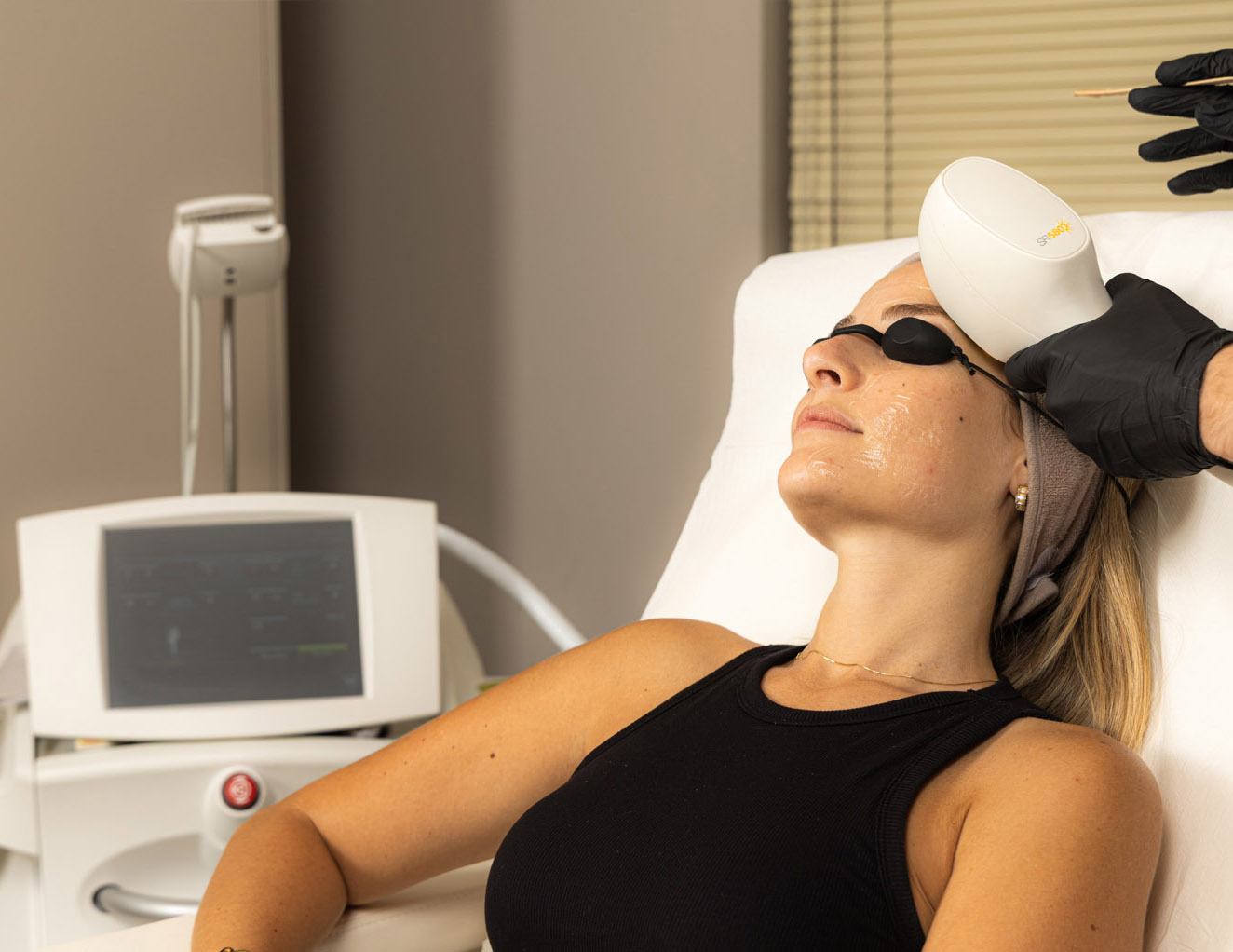
At SkinLab we deliver IPL with the Venus Versa system, which uses SmartPulse technology to keep each pulse of energy uniform and includes real-time cooling to protect the skin surface as the light works underneath. Sessions take 15 to 20 minutes, and there is no downtime. You can drive back to work afterwards.
One session is a start, not a result
Pigmentation built over years does not clear in one afternoon. A typical course is 4 to 5 sessions, spaced every 3 weeks, because each pass clears a portion of the pigment and the skin needs time between sessions. Expect the change to be cumulative: subtle after the first session, obvious to other people somewhere in the middle of the course.
Two caveats belong in any honest article on this subject. First, IPL targets pigment, so it works best when there is contrast between the spot and the surrounding skin. Treating actively tanned skin is both less effective and less safe, which is why a doctor examines your skin before we book a course, and why autumn and winter are the smart seasons for it in Malta. Second, not every brown mark is sun damage. Some pigmentation is hormonal and behaves differently under light, and any mark that has recently changed shape or colour needs a doctor’s eye before any light goes near it. That screening is built into how our doctor-led clinic works, and it is the part of the appointment we refuse to rush.
More than spots: what else the same light treats
Since IPL delivers a spectrum rather than a single wavelength, the same Venus Versa platform earns its floor space several times over. With different settings and applicators it treats diffuse redness and visible veins, and in a separate protocol it uses blue and red light against active acne: the blue light targets the bacteria that drive breakouts while the red light calms the inflammation they leave behind.
That range is an argument for assessment over self-diagnosis. What looks like sun damage in the mirror is sometimes redness, sometimes texture, sometimes all three layered together, and each responds to a different setting or a different treatment entirely. Twenty minutes with a doctor saves months of treating the wrong thing.
Keeping the result once you have it
Here is the uncomfortable truth we tell every client: IPL removes the pigmentation you have accumulated, and the sun immediately begins work on the next batch. A course of treatment without daily SPF afterwards is a subscription, not a solution.
Protect the investment and it lasts. Daily broad-spectrum sunscreen, a hat on the boat, and a touch-up session every 3 to 6 months keep skin clear for the long term. Many clients pair IPL with other face treatments such as skin resurfacing, since texture and pigment tend to age together.
Where to start this winter
If you have spots you cover daily, redness that flushes at the first glass of wine, or simply a face that reads older than it should in bright light, an assessment takes twenty minutes. A doctor at our Swieqi clinic will tell you whether IPL is the right tool, how many sessions your skin honestly needs, and what result you can expect by spring. Book a consultation, or look through the full list of treatments first if you want to arrive with questions.
Frequently asked questions
How many IPL sessions do I need for pigmentation?
A typical course is 4 to 5 sessions spaced every 3 weeks. Results are cumulative: pigment clears progressively with each session, and a doctor will assess your skin beforehand to set realistic expectations for your specific case.
Is there downtime after IPL pigmentation treatment?
No. Sessions take 15 to 20 minutes and you can return to normal activities immediately. Treated spots usually darken briefly, then flake and fade over the following days, and the Venus Versa system cools the skin surface throughout.
When is the best time of year for IPL in Malta?
Autumn and winter. IPL works best on untanned skin, where there is clear contrast between pigmented spots and surrounding skin, and treating tanned skin is less effective and less safe. Booking a course in winter means clearer skin by spring.
Will pigmentation come back after IPL?
The treated pigment is cleared, but sun exposure creates new pigmentation over time. Daily broad-spectrum sunscreen protects the result, and a touch-up session every 3 to 6 months keeps skin clear long term.
Does IPL work on redness as well as brown spots?
Yes. The light energy is absorbed by both excess melanin and the small visible vessels behind diffuse redness, so IPL can treat sun spots, discoloration and redness in the same course.